
Popular Information
Add: Yongkang st.renxian,xingtai city,hebei province china.054000
Tel:+86-319-7566977 7519805
Phone : +8613903298188
Fax:+86-319-7566976
E-mail :richard@bxseals.com
Why Choosing Quality Oil Seals is Crucial for Agricultural Machinery
Release Time:
Oct 14,2025
Why Choosing Quality Oil Seals is Crucial for Agricultural Machinery Understanding the Role of Oil Seals in Agricultural Machinery Oil seals are vital components that ensure the effective functioning of agricultural machinery. They serve to prevent the leakage of lubricants and protect internal components from contaminants. This is particularly important in farming equipment, which operates under
Why Choosing Quality Oil Seals is Crucial for Agricultural Machinery
Understanding the Role of Oil Seals in Agricultural Machinery
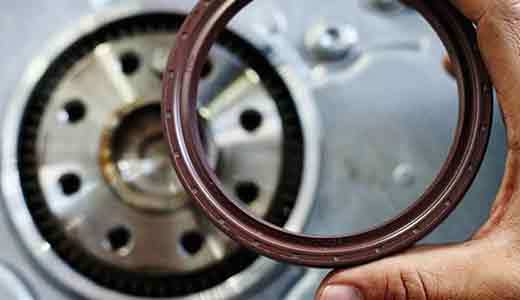
Oil seals are vital components that ensure the effective functioning of agricultural machinery. They serve to prevent the leakage of lubricants and protect internal components from contaminants. This is particularly important in farming equipment, which operates under harsh conditions.
The Importance of High-Quality Oil Seals
When it comes to agricultural machinery, the quality of oil seals can significantly impact performance. Here are several reasons why investing in high-quality oil seals is essential:
1. Enhanced Durability and Longevity
Quality oil seals are manufactured using superior materials that withstand extreme temperatures and pressures. This durability leads to a longer lifespan, reducing the frequency of replacements and associated costs.
2. Improved Performance and Efficiency
High-quality oil seals contribute to the overall efficiency of the machinery. They ensure that lubricants remain where they are needed, reducing friction and wear on moving parts. This results in smoother operation and improved fuel efficiency.
3. Prevention of Contamination
Agricultural machinery often operates in dusty and dirty environments. Quality oil seals act as barriers, preventing contaminants such as dirt, dust, and moisture from entering the machinery. This protection is crucial for maintaining the integrity of the equipment.
4. Cost-Effectiveness in the Long Run
While high-quality oil seals may come with a higher upfront cost, their durability and performance often lead to significant savings over time. Reduced maintenance and repair needs result in lower operational costs.
Types of Oil Seals Used in Agricultural Machinery
There are various types of oil seals specifically designed for different applications in agricultural machinery. Understanding these types can help in making informed choices.
1. Lip Seals
Lip seals are the most common type of oil seals used in machinery. They consist of a flexible lip that makes contact with the shaft to prevent fluid leakage. These seals are ideal for rotary applications.
2. O-Rings
O-rings are circular seals that fit into grooves to create a tight seal between two surfaces. They are commonly used in static applications and are effective in preventing leakage.
3. Rotary Seals
Rotary seals, or shaft seals, are designed for rotating shafts. They provide excellent sealing performance, protecting against dirt and moisture while retaining lubricants.
4. Flat Seals
Flat seals are used in applications where two flat surfaces meet. They are often used in conjunction with bolts and nuts to prevent fluid leaks.
Factors to Consider When Choosing Oil Seals for Agricultural Machinery
Selecting the right oil seals requires careful consideration of several factors, including:
1. Material Composition
The material used in the construction of oil seals greatly affects their performance. Common materials include rubber, silicone, and polyurethane. Each material has its own benefits and drawbacks, making it essential to choose one that suits the specific operating conditions.
2. Operating Conditions
Understanding the operating environment is crucial. Factors such as temperature, pressure, and exposure to chemicals can influence the performance of oil seals. Choose seals designed to withstand the specific conditions your machinery faces.
3. Size and Dimensions
Ensure that the oil seals you select are the correct size for your machinery. Incorrect dimensions can lead to leaks and compromised performance.
4. Brand Reputation
Opt for reputable brands known for their quality products. Research customer reviews and seek recommendations from industry professionals to find reliable oil seal manufacturers.
Best Practices for Maintaining Oil Seals in Agricultural Machinery
Proper maintenance can significantly extend the lifespan of oil seals and enhance overall machinery performance. Here are some best practices:
1. Regular Inspections
Conduct routine inspections of oil seals for signs of wear, damage, or leaks. Early detection of issues can prevent costly repairs and downtime.
2. Lubrication Management
Ensure that machinery is adequately lubricated. Insufficient lubrication can lead to increased friction and premature seal failure.
3. Clean Operating Environment
Minimize exposure to dirt and contaminants by keeping the operating environment clean. This helps protect oil seals and other critical components.
4. Timely Replacements
Replace oil seals as soon as signs of wear are detected. Waiting too long can lead to more significant issues down the line.
Conclusion
Choosing quality oil seals is paramount for the efficient functioning and longevity of agricultural machinery. With their ability to prevent leakage, protect against contaminants, and enhance overall performance, high-quality oil seals represent a smart investment for any agricultural operation. By understanding the types of oil seals available and considering factors such as material composition and operating conditions, you can ensure that your machinery runs smoothly and reliably. Implementing best practices for maintenance will further prolong the life of your oil seals and minimize operational disruptions.
FAQs
1. What is the primary function of oil seals in agricultural machinery?
Oil seals prevent lubricant leakage and protect internal components from dirt and contaminants, ensuring efficient operation.
2. How often should I inspect oil seals in my machinery?
Regular inspections should be conducted at least every few months or during routine maintenance to identify any signs of wear or damage.
3. Can I use any type of oil seal in my machinery?
No, it is essential to choose oil seals that are specifically designed for your machinery's operating conditions and specifications.
4. What materials are commonly used for oil seals?
Common materials include rubber, silicone, and polyurethane, each offering different advantages based on the application.
5. How can I extend the lifespan of oil seals in my equipment?
Regular inspections, proper lubrication management, and maintaining a clean operating environment can help extend the lifespan of oil seals.
Key words:
Popular Information

Contact Information
E-mail : infokos@bxseals.com
Tel : +86-319-7566977 7519805
Phone : +8615630900022
WhatsApp : +8615630900022
Add : Hua'an Street, Renze Economic Development Zone,Xingtai city,Hebei province China.054000
Follow Us on


More Info

