
Popular Information
Add: Yongkang st.renxian,xingtai city,hebei province china.054000
Tel:+86-319-7566977 7519805
Phone : +8613903298188
Fax:+86-319-7566976
E-mail :richard@bxseals.com
Understanding Car oil seal: Essential Components for Fluid Power Systems
Release Time:
Oct 16,2025
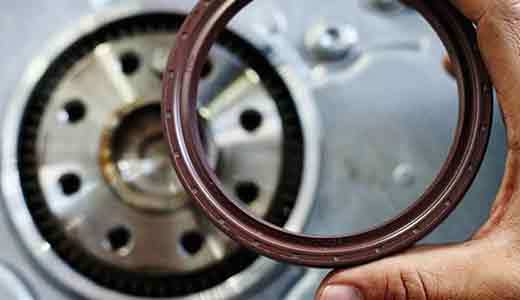
Car oil seals are engineered components designed to control the flow of fluids within hydraulic systems. These seals are essential for maintaining system pressure, preventing fluid leakage, and protecting against contaminants that could compromise the integrity of the hydraulic circuit. They play a pivotal role in various applications, including hydraulic cylinders, pumps, and valves, where thei
There are several types of hydraulic seals, each tailored for specific applications and operating conditions. The most common types include O-rings, rod seals, piston seals, and backup rings. O-rings are versatile and widely used due to their simple design and effectiveness in preventing leaks in static and dynamic applications. Rod seals are specifically designed to seal the space between the rod and the cylinder, while piston seals prevent fluid from escaping between the piston and the cylinder wall. Backup rings enhance the performance and longevity of seals by preventing extrusion in high-pressure applications.
The material selection for hydraulic seals is crucial, as it significantly affects their performance and durability. Common materials include nitrile rubber, polyurethane, and fluorocarbon, each offering distinct advantages based on the application's specific requirements. For instance, nitrile rubber is known for its excellent resistance to petroleum-based fluids, while fluorocarbon materials excel in high-temperature and aggressive chemical environments.
Proper maintenance of hydraulic seals is essential to ensure the longevity and efficiency of hydraulic systems. Regular inspections for wear and tear, as well as monitoring operating conditions, can help identify potential issues before they escalate. Additionally, using the correct installation techniques and ensuring compatibility between the seal and the hydraulic fluid can minimize the risk of failure.
In conclusion, hydraulic seals are indispensable components in the operation of hydraulic systems, ensuring efficiency, safety, and longevity. Understanding their types, materials, and maintenance practices is crucial for professionals in the industrial equipment sector. By prioritizing the proper selection and maintenance of hydraulic seals, organizations can optimize their fluid power systems and enhance overall operational reliability.
Key words:
Popular Information

Contact Information
E-mail : infokos@bxseals.com
Tel : +86-319-7566977 7519805
Phone : +8615630900022
WhatsApp : +8615630900022
Add : Hua'an Street, Renze Economic Development Zone,Xingtai city,Hebei province China.054000
Follow Us on


More Info

