
Popular Information
Add: Yongkang st.renxian,xingtai city,hebei province china.054000
Tel:+86-319-7566977 7519805
Phone : +8613903298188
Fax:+86-319-7566976
E-mail :richard@bxseals.com
Top Signs Your Motorcycle Crankshaft Seal Needs Replacement
Release Time:
Oct 18,2025
Top Signs Your Motorcycle Crankshaft Seal Needs Replacement Motorcycles are intricate machines that require regular maintenance to operate smoothly and efficiently. One of the key components that often gets overlooked during routine checks is the crankshaft seal. This small yet vital part plays a significant role in the engine's performance and longevity. If it begins to fail, it can lead to serio
Top Signs Your Motorcycle Crankshaft Seal Needs Replacement
Motorcycles are intricate machines that require regular maintenance to operate smoothly and efficiently. One of the key components that often gets overlooked during routine checks is the crankshaft seal. This small yet vital part plays a significant role in the engine's performance and longevity. If it begins to fail, it can lead to serious mechanical issues. In this article, we will explore the top signs that indicate your motorcycle's crankshaft seal needs replacement.
Understanding the Role of the Crankshaft Seal
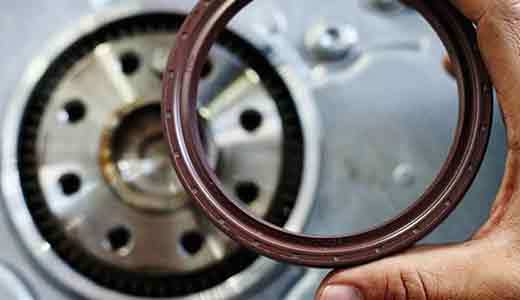
Before diving into the signs of a failing crankshaft seal, it's essential to understand its function. The crankshaft seal is designed to prevent oil from leaking out of the engine and to keep contaminants from entering it. Positioned at the rear of the engine, the crankshaft seal ensures that the engine remains appropriately lubricated, maintaining optimal performance.
Why Is the Crankshaft Seal Important?
The crankshaft seal contributes to the overall health of your motorcycle engine. Here are a few reasons why it's crucial:
- **Prevents Oil Leaks**: A properly functioning crankshaft seal prevents oil from leaking out and ensures that the engine remains well-lubricated.
- **Protection Against Contaminants**: It keeps dirt and other contaminants from entering the engine, which can lead to wear and tear over time.
- **Engine Performance**: A compromised seal can lead to decreased engine efficiency, affecting performance and fuel economy.
Common Signs of a Failing Crankshaft Seal
Recognizing the signs of a failing crankshaft seal is crucial for maintaining your motorcycle's performance. Below are some of the most common indicators:
1. Oil Leaks
One of the most apparent signs of a failing crankshaft seal is the presence of oil leaks. If you notice oil pooling underneath your motorcycle or see oil stains on the engine casing, it could indicate that the crankshaft seal is worn or damaged.
What to Look For
- Dark, oily spots on the ground where you park your bike.
- A visible decrease in oil levels in the engine.
2. Unusual Noises from the Engine
If you start hearing unusual noises emanating from the engine, it could be a sign that the crankshaft seal is failing. Sounds such as knocking or grinding may suggest that oil is not circulating properly due to a compromised seal.
Identifying the Noise
- **Knocking Sounds**: These can indicate low oil pressure caused by leaks.
- **Grinding Noises**: May suggest that internal components are coming into contact due to insufficient lubrication.
3. Reduced Engine Performance
A failing crankshaft seal can also lead to a noticeable decline in your motorcycle's performance. You might experience sluggish acceleration, reduced power, or difficulty starting the engine.
Performance Indicators
- Decreased throttle response.
- Struggles with maintaining high speeds.
- Increased fuel consumption.
4. Excessive Smoke from the Exhaust
If you notice excessive smoke coming from your motorcycle's exhaust, it could be a symptom of oil leaking into the combustion chamber. This is often due to a failing crankshaft seal.
Types of Smoke
- **Blue Smoke**: Indicates that oil is burning in the combustion chamber.
- **Black Smoke**: Suggests a rich fuel mixture but could be exacerbated by oil leaks.
5. Engine Overheating
A compromised crankshaft seal can lead to engine overheating. This happens when oil leaks out and the engine lacks the necessary lubrication to operate efficiently.
Signs of Overheating
- Engine temperature gauge reading higher than normal.
- Unusual smells like burning oil.
6. Vibration or Shaking
Excessive vibrations while riding can indicate that the crankshaft seal is failing. This can happen when the balance of the crankshaft is disturbed due to oil loss.
What to Watch For
- Increased engine vibrations at idle or while accelerating.
- Noticeable shaking in the handlebars.
7. Engine Warning Lights
Modern motorcycles are equipped with diagnostic systems. If your motorcycle's engine warning light comes on, it could signal an issue with the crankshaft seal or another critical component.
Responding to Warning Lights
- Always check your motorcycle's manual for specific warning light meanings.
- Do not ignore warning lights; they can indicate serious issues.
8. Difficulty Shifting Gears
If you're experiencing difficulty shifting gears, it might point to an issue with the crankshaft seal. The seal's failure can cause lubrication issues in the transmission.
Shifting Issues
- Grinding noises when shifting.
- Difficulty finding neutral gear.
What Causes Crankshaft Seal Failure?
Understanding the causes of crankshaft seal failure can help you prevent future issues. Below are some of the primary factors:
1. Age and Wear
Like any mechanical component, crankshaft seals can wear down over time. Exposure to heat, oil, and other chemicals can cause the rubber material to harden and crack.
2. Improper Installation
If the crankshaft seal is not installed correctly, it may lead to premature failure. Misalignment or insufficient sealing can allow oil to leak.
3. Contaminants
Dirt and debris can damage the seal, leading to leaks. Regular maintenance and cleaning can help mitigate this risk.
4. Overheating
Excessive engine heat can degrade the seal material, causing it to fail. Maintaining appropriate engine temperatures is crucial for prolonging seal life.
How to Replace a Failing Crankshaft Seal
If you suspect that your crankshaft seal needs replacement, it's essential to take action as soon as possible. Here is a step-by-step guide on how to replace a failing crankshaft seal:
1. Gather Necessary Tools
You'll need a few tools to perform the replacement, including:
- Screwdrivers
- Wrench set
- Seal puller
- New crankshaft seal
- Engine oil
2. Prepare the Motorcycle
- Ensure that the motorcycle is on a level surface.
- Disconnect the battery to prevent any electrical issues.
3. Access the Crankshaft Seal
Depending on your motorcycle model, you may need to remove various components such as the engine cover or flywheel to access the crankshaft seal.
4. Remove the Old Seal
Using a seal puller, carefully extract the old crankshaft seal. Be cautious not to damage surrounding components.
5. Install the New Seal
- Apply a thin layer of engine oil to the new seal.
- Press the new seal into place, ensuring it is seated correctly.
6. Reassemble and Test
- Reattach any components removed during the process.
- Reconnect the battery and start the motorcycle to check for leaks or issues.
Preventive Maintenance Tips for Your Motorcycle
To ensure the longevity of your crankshaft seal and avoid future issues, follow these preventive maintenance tips:
1. Regular Oil Changes
Changing the oil regularly helps maintain proper lubrication and reduces the risk of contaminants damaging the crankshaft seal.
2. Monitor Engine Temperature
Keep an eye on your motorcycle's engine temperature and address any overheating issues immediately.
3. Perform Routine Inspections
Regularly inspect your motorcycle for oil leaks and other signs of wear. Early detection can save you from costly repairs down the road.
4. Use Quality Parts
When replacing components like the crankshaft seal, always opt for high-quality, manufacturer-recommended parts.
FAQs About Motorcycle Crankshaft Seals
1. How often should I check my crankshaft seal?
It's advisable to inspect the crankshaft seal during routine maintenance or oil changes, about every 3,000 to 5,000 miles.
2. What happens if I ignore a leaking crankshaft seal?
Ignoring a leaking crankshaft seal can lead to more severe engine damage, including reduced performance, overheating, and costly repairs.
3. Can I replace the crankshaft seal myself?
Yes, replacing the crankshaft seal can be a DIY task if you have the right tools and mechanical knowledge. However, if you're unsure, it's best to consult a professional.
4. How much does it cost to replace a crankshaft seal?
The cost varies depending on the motorcycle model and labor rates. Generally, it can range from $100 to $300.
5. Are there any long-term effects of a bad crankshaft seal?
Yes, a failing crankshaft seal can cause significant engine wear, decreased performance, and potential engine failure if not addressed promptly.
Conclusion
In conclusion, recognizing the signs of a failing motorcycle crankshaft seal is crucial for maintaining your bike's performance and preventing costly repairs. By keeping an eye out for oil leaks, unusual noises, and other indicators, you can take proactive measures to ensure your motorcycle remains in excellent condition. Regular maintenance and timely replacements are key to enjoying a smooth and efficient riding experience. Always remember that your motorcycle deserves the best care, and addressing issues early can save you time and money in the long run.
Key words:
Popular Information

Contact Information
E-mail : infokos@bxseals.com
Tel : +86-319-7566977 7519805
Phone : +8615630900022
WhatsApp : +8615630900022
Add : Hua'an Street, Renze Economic Development Zone,Xingtai city,Hebei province China.054000
Follow Us on


More Info

