
Popular Information
Add: Yongkang st.renxian,xingtai city,hebei province china.054000
Tel:+86-319-7566977 7519805
Phone : +8613903298188
Fax:+86-319-7566976
E-mail :richard@bxseals.com
Top Factors to Consider When Selecting Oil Seals for Agriculture Equipment
Release Time:
Nov 19,2025
Top Factors to Consider When Selecting Oil Seals for Agriculture Equipment When it comes to keeping agriculture machinery running smoothly, the importance of selecting the right oil seals cannot be overstated. Oil seals play a critical role in preventing fluid leaks, protecting internal components, and ensuring optimal performance under harsh conditions. In this article, we will explore the top fa
Top Factors to Consider When Selecting Oil Seals for Agriculture Equipment
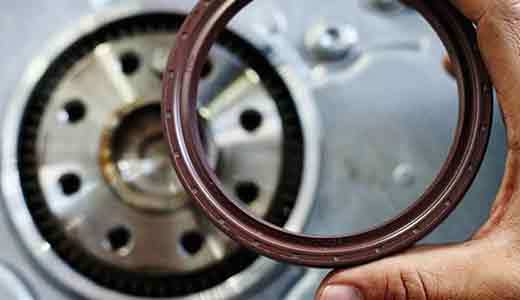
When it comes to keeping agriculture machinery running smoothly, the importance of selecting the right oil seals cannot be overstated. Oil seals play a critical role in preventing fluid leaks, protecting internal components, and ensuring optimal performance under harsh conditions. In this article, we will explore the top factors to consider when selecting oil seals for agriculture equipment, so you can make informed decisions that enhance the reliability and longevity of your machinery.
Understanding the Role of Oil Seals in Agriculture Equipment
Before diving into the specifics of selecting oil seals, it's essential to understand their function within agricultural machinery. Oil seals are designed to keep lubricants contained within machinery components while preventing external contaminants from entering. This function is particularly crucial in agriculture, where equipment is often exposed to dirt, dust, and moisture.
The Importance of Oil Seals in Agriculture
In the agricultural sector, equipment such as tractors, harvesters, and sprayers operate under extreme conditions. The effective sealing of oil is vital for:
- Maintaining lubrication to reduce friction and wear.
- Preventing leaks that can lead to costly repairs and downtime.
- Protecting against environmental contaminants that can compromise machinery performance.
Key Factors to Consider When Choosing Oil Seals
1. Material Selection
The material of the oil seal significantly impacts its performance and durability. Common materials include:
- Rubber: Often used for its elasticity and resistance to environmental factors. Suitable for a variety of applications, rubber seals are effective in preventing leaks.
- Polyurethane: Known for its excellent abrasion resistance and longevity. Polyurethane seals can withstand harsh chemicals and extreme temperatures.
- Viton: A synthetic rubber that offers superior resistance to heat, oil, and chemicals. Ideal for high-performance applications in agriculture.
Choosing the Right Material for Your Equipment
When selecting the material, consider the specific operating conditions of your equipment, including temperature fluctuations, exposure to chemicals, and the potential for wear and tear. The right material will help ensure optimal performance and reduce the risk of seal failure.
2. Size and Fit
Correct sizing is crucial when selecting oil seals. An improper fit can lead to leaks and reduced performance. To ensure the right size, consider the following:
- Measure the diameter of the shaft and housing accurately.
- Check the width and thickness of the seal to match the specifications required for your equipment.
The Consequences of Incorrect Sizing
An incorrectly sized oil seal can lead to premature failure, resulting in costly machinery downtime and repairs. Always refer to the manufacturer's specifications or consult with a knowledgeable supplier to ensure accurate measurements.
3. Compatibility with Fluids
Different types of oil seals are designed to work with specific fluids. It is essential to consider the type of lubricant being used in your agricultural equipment:
- Mineral Oils: Commonly used in most agricultural machinery, ensure the seal is compatible with mineral oils.
- Synthetic Oils: If your equipment uses synthetic lubricants, select oil seals designed to withstand their unique properties.
- Other Fluids: Consider any hydraulic fluids or contaminants that may come into contact with the seal, and choose materials that resist degradation from these substances.
Ensuring Compatibility for Longevity
By selecting oil seals compatible with the specific fluids used in your equipment, you can enhance performance and prevent premature seal failure.
4. Operating Conditions
The operating conditions in which your agricultural equipment functions play a significant role in seal selection. Consider the following factors:
- Temperature Range: Extreme temperatures can affect the performance of oil seals. Ensure the selected seal can operate effectively within the temperature range of your equipment.
- Pressure Levels: High-pressure environments may require specialized seals designed to handle increased stress and prevent leaks.
- Environmental Factors: Exposure to dust, dirt, and moisture can impact seal performance. Choose seals with features that enhance their ability to withstand these conditions.
Evaluating Environmental Impact
Understanding the environment in which your equipment operates allows you to select oil seals that provide robust protection against wear and tear, ultimately extending the life of your machinery.
5. Seal Design and Features
The design and features of an oil seal can greatly influence its effectiveness. Consider the following design elements:
- Single vs. Double Lip: Single lip seals are effective for basic applications, while double lip seals provide enhanced protection against contamination.
- Spring Loaded: Seals with spring-loaded designs offer better retention of lubricant and improved sealing capability, especially under varying pressure conditions.
- Special Coatings: Some seals come with coatings that enhance their resistance to abrasives and chemicals, providing additional protection in harsh environments.
Enhancing Performance Through Design
Choosing seals with advanced designs and features tailored to your specific needs can improve machinery performance and reduce the risk of seal failure.
Cost Considerations and Value
Understanding the Total Cost of Ownership
When selecting oil seals, it's essential to consider the total cost of ownership rather than just the initial purchase price. This includes:
- Replacement costs due to premature seal failure.
- Downtime and repair expenses associated with seal failure.
- Potential damage to machinery components resulting from leaks.
Investing in Quality for Long-Term Savings
While premium oil seals may come at a higher upfront cost, investing in quality products can save money in the long run by reducing the frequency of replacements and maintenance.
Best Practices for Oil Seal Installation and Maintenance
Proper Installation Techniques
Correct installation is essential for maximizing the performance of oil seals. Follow these best practices:
- Clean the sealing surface thoroughly before installation.
- Apply a light coating of lubricant to the sealing lip before installation.
- Use the appropriate tools to avoid damaging the seal during installation.
Regular Maintenance Checks
Incorporate routine checks of oil seals into your maintenance schedule. Look for signs of wear, leaks, or contamination and replace seals as necessary to maintain optimal machinery performance.
FAQs About Selecting Oil Seals for Agriculture Equipment
1. What is the lifespan of an oil seal in agricultural equipment?
The lifespan of an oil seal can vary widely depending on operating conditions, seal material, and maintenance practices. Typically, seals can last anywhere from a few months to several years.
2. How do I know if an oil seal has failed?
Signs of a failed oil seal include visible leaks, decreased lubrication levels, unusual noises from machinery, and increased wear on components that the seal protects.
3. Can I replace oil seals myself, or should I hire a professional?
While some simple installations can be done by experienced individuals, hiring a professional is recommended for complex applications to ensure proper installation and avoid damage.
4. Are all oil seals interchangeable between different equipment brands?
No, oil seals are not universally interchangeable. Always refer to the manufacturer's specifications to find the correct seal for your specific equipment model.
5. What maintenance practices can extend the life of oil seals?
Regular inspections, ensuring proper installation, using compatible lubricants, and maintaining optimal operating conditions can significantly extend the life of oil seals.
Conclusion
Selecting the right oil seals for agricultural equipment is crucial for maintaining performance, preventing leaks, and extending the lifespan of machinery. By considering factors such as material selection, size, compatibility, operating conditions, and design features, you can make informed decisions that enhance the reliability of your equipment. Investing in quality oil seals and adhering to best practices in installation and maintenance will ultimately lead to long-term savings and improved operational efficiency in your agricultural endeavors.
Key words:
Popular Information

Contact Information
E-mail : infokos@bxseals.com
Tel : +86-319-7566977 7519805
Phone : +8615630900022
WhatsApp : +8615630900022
Add : Hua'an Street, Renze Economic Development Zone,Xingtai city,Hebei province China.054000
Follow Us on


More Info

