
Popular Information
Add: Yongkang st.renxian,xingtai city,hebei province china.054000
Tel:+86-319-7566977 7519805
Phone : +8613903298188
Fax:+86-319-7566976
E-mail :richard@bxseals.com
Understanding Car oil seal: Essential Components for Industrial Applications
Release Time:
Nov 21,2025
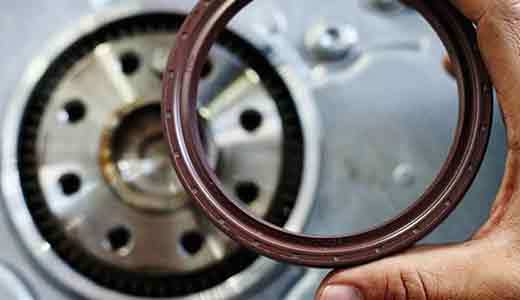
Car oil seals are pivotal components widely utilized in industrial applications, particularly in equipment that involves the transfer of hydraulic fluid. These seals prevent fluid leakage and protect machinery by maintaining pressure and ensuring efficient operation. Understanding the types, functions, and maintenance of hydraulic seals is essential for anyone involved in the design, operation,
There are several types of hydraulic seals, each designed for specific applications and functions. The most common types include O-rings, rod seals, and piston seals. O-rings, which are circular in shape, are used in static and dynamic applications to create a tight seal between two surfaces. Rod seals are designed to prevent fluid leakage around the rod of a hydraulic cylinder, ensuring that the hydraulic fluid remains contained within the system. Piston seals, on the other hand, prevent fluid from leaking past the piston within a cylinder, thereby maintaining pressure and efficiency.
The primary function of hydraulic seals is to prevent fluid leakage, which can lead to reduced system efficiency, increased wear and tear on components, and potential environmental hazards. A well-functioning hydraulic seal ensures that the hydraulic fluid remains contained, allowing for smooth operation and reduced risk of equipment failure. Additionally, hydraulic seals protect against contaminants, which can compromise the integrity of hydraulic fluids and overall system performance.
Maintenance of hydraulic seals is a critical aspect of ensuring the longevity and reliability of hydraulic systems. Regular inspections can help identify signs of wear, such as cracking or deformation. Implementing a routine maintenance schedule that includes checking for leaks and ensuring proper lubrication can significantly extend the life of the seals. Furthermore, using the correct installation techniques is vital; improper installation can lead to premature seal failure.
Choosing the right hydraulic seal material is also essential, as different materials offer varying levels of resistance to temperature, pressure, and chemical exposure. Common materials include nitrile rubber, polyurethane, and fluoropolymers, each suited for specific conditions and applications.
In summary, hydraulic seals are integral to the functionality and efficiency of industrial machinery. Understanding their types, functions, and maintenance can significantly impact the performance and lifespan of hydraulic systems. By ensuring proper care and selection of hydraulic seals, manufacturers and operators can enhance operational reliability and reduce maintenance costs, ultimately leading to a more efficient industrial operation.
Key words:
Popular Information

Contact Information
E-mail : infokos@bxseals.com
Tel : +86-319-7566977 7519805
Phone : +8615630900022
WhatsApp : +8615630900022
Add : Hua'an Street, Renze Economic Development Zone,Xingtai city,Hebei province China.054000
Follow Us on


More Info

