
Popular Information
Add: Yongkang st.renxian,xingtai city,hebei province china.054000
Tel:+86-319-7566977 7519805
Phone : +8613903298188
Fax:+86-319-7566976
E-mail :richard@bxseals.com
A Comprehensive Guide to Effectively Installing Motorcycle Crankshaft Seals
Release Time:
Nov 23,2025
A Comprehensive Guide to Effectively Installing Motorcycle Crankshaft Seals Table of Contents 1. Introduction to Motorcycle Crankshaft Seals 2. Understanding Crankshaft Seals: What You Need to Know 3. The Importance of Crankshaft Seals in Motorcycle Performance 4. Common Signs of Wear and Tear in Crankshaft Seals 5. Tools and Materials Needed for Installation 6. Step-by-St
A Comprehensive Guide to Effectively Installing Motorcycle Crankshaft Seals
Table of Contents
- 1. Introduction to Motorcycle Crankshaft Seals
- 2. Understanding Crankshaft Seals: What You Need to Know
- 3. The Importance of Crankshaft Seals in Motorcycle Performance
- 4. Common Signs of Wear and Tear in Crankshaft Seals
- 5. Tools and Materials Needed for Installation
- 6. Step-by-Step Installation Guide for Motorcycle Crankshaft Seals
- 7. Maintenance Tips for Longevity of Crankshaft Seals
- 8. Frequently Asked Questions
- 9. Conclusion
1. Introduction to Motorcycle Crankshaft Seals
Motorcycle crankshaft seals play a pivotal role in ensuring the efficiency and longevity of your bike's engine. These seals are designed to prevent oil leaks and contaminants from entering the engine, which could lead to severe damage if left unchecked. In this guide, we will provide a thorough understanding of crankshaft seals, their importance, and how to install them effectively.
2. Understanding Crankshaft Seals: What You Need to Know
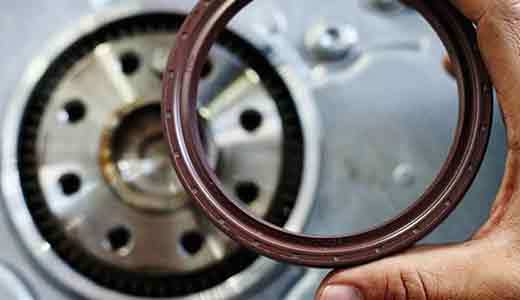
Crankshaft seals, also known as oil seals, are composed of durable materials such as rubber or silicone. They are strategically placed at both ends of the crankshaft to maintain a proper seal in the engine. Understanding the anatomy of a crankshaft seal can enhance your ability to diagnose issues and perform installations with precision.
2.1 Components of a Crankshaft Seal
The primary components of a crankshaft seal include:
- **Outer casing**: This part provides the structural integrity of the seal.
- **Inner lip**: This is the contact point that secures the seal against the crankshaft, preventing oil leaks.
- **Spring**: A small spring may be incorporated to ensure the inner lip maintains contact with the crankshaft under various operating conditions.
2.2 Types of Crankshaft Seals
There are several types of crankshaft seals available, including:
- **Single-lip seals**: Most common for motorcycle applications.
- **Double-lip seals**: Offer extra protection against contaminants.
- **Spring-loaded seals**: Designed for high-performance engines where oil pressure is significant.
3. The Importance of Crankshaft Seals in Motorcycle Performance
The functionality of crankshaft seals directly affects your motorcycle's performance. A proper seal prevents oil from leaking, which could lead to low oil levels and subsequently cause engine wear. Furthermore, a well-sealed engine can maintain optimal compression, enhancing overall power output and fuel efficiency.
4. Common Signs of Wear and Tear in Crankshaft Seals
Recognizing the signs of a failing crankshaft seal is crucial for maintaining your motorcycle. Common indicators include:
- **Oil leaks**: Puddles of oil beneath your motorcycle.
- **Increased smoke**: Smoke from the exhaust can indicate oil entering the combustion chamber.
- **Poor performance**: Reduced power or acceleration can be a sign of internal engine issues due to oil leaks.
5. Tools and Materials Needed for Installation
Before diving into the installation process, ensure you have the following tools and materials:
- **Socket set**: For removing components.
- **Torque wrench**: To ensure proper tightening of bolts.
- **Crankshaft seal installer**: A specialized tool for fitting seals without damage.
- **Gasket maker**: To seal any gaps.
- **Clean rags and engine degreaser**: For cleaning surfaces before installation.
6. Step-by-Step Installation Guide for Motorcycle Crankshaft Seals
Installing motorcycle crankshaft seals requires meticulous attention to detail. Follow these steps for a successful installation:
6.1 Preparation
1. **Gather all tools and materials**: Ensure everything is within reach.
2. **Park your motorcycle**: On a stable surface and allow it to cool down if it was recently used.
6.2 Remove the Necessary Components
1. **Drain the engine oil**: Use a drain pan to catch oil and prevent spills.
2. **Remove the crankcase cover**: Unscrew all bolts and gently pry off the cover to access the crankshaft.
3. **Take out the old seals**: Carefully pry out old seals using a flathead screwdriver, ensuring not to damage the crankcase or crankshaft.
6.3 Clean the Installation Area
1. **Degrease the area**: Use engine degreaser and rags to clean the seal housing thoroughly.
2. **Inspect for damage**: Check the seal housing for any cracks or wear that could affect the new seal's performance.
6.4 Install the New Crankshaft Seal
1. **Lubricate the new seal**: Apply a thin layer of engine oil to the lip of the new seal. This will help it slide into place.
2. **Use the crankshaft seal installer**: Align the seal with the housing and press it in using the installer. Ensure it's seated evenly.
3. **Check the fit**: Ensure the seal is flush with the crankcase surface.
6.5 Reassemble the Motorcycle
1. **Replace the crankcase cover**: Secure it using the appropriate torque specifications.
2. **Refill engine oil**: Ensure you refill the engine oil to the correct level.
3. **Start the motorcycle**: Allow it to idle and check for any oil leaks.
7. Maintenance Tips for Longevity of Crankshaft Seals
To prolong the life of your crankshaft seals, consider the following maintenance tips:
- **Regular oil changes**: Keep up with your motorcycle’s maintenance schedule.
- **Visual inspections**: Regularly check for signs of oil leaks or wear.
- **Avoid overheating**: Ensure your motorcycle's cooling system is functioning properly to prevent excess heat.
8. Frequently Asked Questions
8.1 How often should I replace my crankshaft seals?
Typically, crankshaft seals should be inspected every time you perform an oil change and replaced if any signs of wear are evident.
8.2 Can I install crankshaft seals without professional help?
Yes, with the right tools and guidance, many motorcycle enthusiasts can successfully install crankshaft seals themselves.
8.3 What are the consequences of a leaking crankshaft seal?
A leaking crankshaft seal can lead to low oil levels, reduced engine performance, and potential engine failure if not addressed promptly.
8.4 Are aftermarket crankshaft seals reliable?
Aftermarket seals can be reliable, but it’s essential to choose reputable brands to ensure quality and performance.
8.5 How can I tell if my crankshaft seal is installed correctly?
Ensure the seal is flush with the crankcase and that there are no gaps or misalignments. After installation, monitor for any signs of oil leakage.
9. Conclusion
Installing motorcycle crankshaft seals is a critical maintenance task that can significantly affect your motorcycle's performance and longevity. By understanding the components, signs of wear, and following the outlined installation steps, we can ensure a successful installation and optimal engine function. Regular maintenance and careful attention to detail will keep your motorcycle running smoothly for years to come.
Key words:
Popular Information

Contact Information
E-mail : infokos@bxseals.com
Tel : +86-319-7566977 7519805
Phone : +8615630900022
WhatsApp : +8615630900022
Add : Hua'an Street, Renze Economic Development Zone,Xingtai city,Hebei province China.054000
Follow Us on


More Info

