
Popular Information
Add: Yongkang st.renxian,xingtai city,hebei province china.054000
Tel:+86-319-7566977 7519805
Phone : +8613903298188
Fax:+86-319-7566976
E-mail :richard@bxseals.com
Understanding the Importance of a Power Steering Shaft Seal in Your Vehicle
Release Time:
Dec 10,2025
Understanding the Importance of a Power Steering Shaft Seal in Your Vehicle Table of Contents Introduction to Power Steering Shaft Seals What is a Power Steering Shaft Seal? Function of the Power Steering Shaft Seal Signs of a Failing Power Steering Shaft Seal Consequences of a Faulty Power Steering Shaft Seal Maintenance Tips for Power Steering Shaft Seals
Understanding the Importance of a Power Steering Shaft Seal in Your Vehicle
Table of Contents
- Introduction to Power Steering Shaft Seals
- What is a Power Steering Shaft Seal?
- Function of the Power Steering Shaft Seal
- Signs of a Failing Power Steering Shaft Seal
- Consequences of a Faulty Power Steering Shaft Seal
- Maintenance Tips for Power Steering Shaft Seals
- Replacement Process of Power Steering Shaft Seals
- Common Questions About Power Steering Shaft Seals
- Conclusion
Introduction to Power Steering Shaft Seals
In the intricate world of automotive engineering, **power steering systems** play a pivotal role in enhancing driving experience and vehicle control. Among the various components that ensure smooth steering, the **power steering shaft seal** stands out as an often-overlooked yet essential part. This article delves deep into its significance, functionality, and the implications of neglecting this critical component.
What is a Power Steering Shaft Seal?
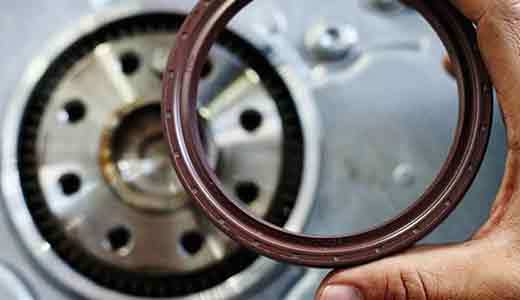
A **power steering shaft seal** is a rubber or synthetic seal that is strategically positioned at the junction where the power steering shaft enters the steering gear or rack. This seal serves as a barrier, preventing the leakage of hydraulic fluid which is crucial for the operation of the power steering system. The primary materials used for these seals are engineered to withstand both high pressure and diverse temperature ranges, ensuring durability and reliability.
Function of the Power Steering Shaft Seal
The primary function of the power steering shaft seal is to contain the hydraulic fluid within the steering system. As the driver turns the steering wheel, hydraulic pressure builds up, allowing for easier maneuverability of the vehicle. If the seal is compromised, hydraulic fluid can leak out, leading to several operational issues. Here are the key functions of the power steering shaft seal:
1. Fluid Containment
The seal plays an essential role in keeping the hydraulic fluid contained within the steering gear, maintaining the necessary pressure for effective steering.
2. Protection Against Contaminants
The seal also acts as a barrier against dirt, dust, and other contaminants that could potentially enter the steering system, thereby ensuring the longevity and optimal performance of the power steering fluid.
3. Maintenance of Performance
By preventing leaks, a properly functioning power steering shaft seal helps maintain the overall performance of the vehicle, allowing for precise steering and improved driving comfort.
Signs of a Failing Power Steering Shaft Seal
Detecting issues with the power steering shaft seal early can prevent more severe damage and costly repairs. Here are some common signs that your seal may be failing:
1. Fluid Leaks
One of the most noticeable signs of a failing seal is hydraulic fluid pooling under the vehicle. If you notice reddish or clear fluid beneath your car, this may be an indicator of a leak.
2. Stiff Steering Wheel
If the steering wheel becomes increasingly difficult to turn, particularly at low speeds, this could be a sign that the hydraulic pressure is insufficient due to fluid leakage.
3. Whining Noise
A whining or groaning noise when turning the steering wheel is often a sign that the power steering system is low on fluid, which may result from a faulty seal.
4. Steering System Warning Light
In many modern vehicles, a warning light on the dashboard may indicate issues within the power steering system, including seal failure.
Consequences of a Faulty Power Steering Shaft Seal
Neglecting to address a failing power steering shaft seal can lead to more significant issues within your vehicle. Here are some potential consequences:
1. Increased Wear on Steering Components
A leak can lead to inadequate lubrication of the steering components, resulting in increased wear and tear and potentially leading to more expensive repairs.
2. Complete Power Steering Failure
If left unaddressed, a faulty seal can lead to complete power steering failure, making it extremely difficult to steer, especially at slower speeds.
3. Safety Hazards
Driving with compromised steering can pose serious safety risks. If your vehicle suddenly becomes difficult to steer, it can lead to loss of control and potential accidents.
Maintenance Tips for Power Steering Shaft Seals
Maintaining your power steering system can help prolong the life of the shaft seal and improve overall vehicle performance. Here are some practical maintenance tips:
1. Regular Fluid Checks
Regularly inspect the power steering fluid level and condition. If the fluid appears dark or contaminated, consider flushing the system and replacing it with new fluid.
2. Inspection of Seals
During routine maintenance checks, inspect the condition of the power steering shaft seal for signs of wear or damage. Early detection can save you from larger issues down the road.
3. Professional Maintenance
Consider having your power steering system inspected by a professional mechanic regularly. They can identify potential issues before they become significant problems.
4. Use Quality Fluids
Always use the manufacturer-recommended power steering fluid. Using inferior quality fluids can contribute to seal deterioration over time.
Replacement Process of Power Steering Shaft Seals
If you find that the power steering shaft seal has failed, it is crucial to replace it as soon as possible to avoid further damage. Here’s a step-by-step guide to the replacement process:
1. Gather Necessary Tools and Materials
Before starting, ensure you have the right tools such as screwdrivers, wrenches, and a seal puller. You will also need a replacement seal and power steering fluid.
2. Safety First
Always ensure the vehicle is parked on a flat surface, the engine is off, and the parking brake is engaged. It’s also wise to wear gloves and safety glasses for protection.
3. Access the Power Steering Shaft
Depending on your vehicle, you may need to remove certain components to gain access to the power steering shaft. Consult your vehicle’s manual for specific instructions.
4. Remove the Old Seal
Carefully use a seal puller to remove the old power steering shaft seal. Be cautious not to damage the surrounding components during this process.
5. Install the New Seal
Lubricate the new seal with a bit of power steering fluid before installation. Carefully press it into place, ensuring it sits evenly and securely.
6. Reassemble and Test
Reassemble any components you removed, refill the power steering fluid if necessary, and test the steering system for proper operation.
Common Questions About Power Steering Shaft Seals
1. How often should I check my power steering fluid?
It is advisable to check your power steering fluid level at least once a month or before long trips to ensure optimal performance.
2. What types of power steering fluids are available?
There are various types of power steering fluids, including mineral oil-based, synthetic, and ATF (automatic transmission fluid), depending on your vehicle’s requirements.
3. Can I drive my car with a leaking power steering shaft seal?
It is not advisable to drive with a leaking seal, as it can lead to complete power steering failure and pose safety hazards.
4. How much does it cost to replace a power steering shaft seal?
The cost of replacement may vary depending on the vehicle make and model, but it typically ranges from $100 to $300, including parts and labor.
5. How can I extend the lifespan of my power steering shaft seal?
Regular maintenance, including fluid checks and using quality fluids, can help extend the lifespan of your power steering shaft seal.
Conclusion
In conclusion, the power steering shaft seal is a crucial component of your vehicle's steering system. By understanding its importance and maintaining its integrity, you can ensure a smoother and safer driving experience. Regular checks and timely replacements can prevent unnecessary repairs and enhance the longevity of your power steering system. Taking proactive measures in maintaining this small but vital part of your vehicle can lead to more enjoyable and safer journeys on the road.
Key words:
Popular Information

Contact Information
E-mail : infokos@bxseals.com
Tel : +86-319-7566977 7519805
Phone : +8615630900022
WhatsApp : +8615630900022
Add : Hua'an Street, Renze Economic Development Zone,Xingtai city,Hebei province China.054000
Follow Us on


More Info

