
Popular Information
Add: Yongkang st.renxian,xingtai city,hebei province china.054000
Tel:+86-319-7566977 7519805
Phone : +8613903298188
Fax:+86-319-7566976
E-mail :richard@bxseals.com
Finding the Right Supplier for Steering Rack Oil Seals: A Comprehensive Guide
Release Time:
Dec 16,2025
Finding the Right Supplier for Steering Rack Oil Seals Table of Contents 1. Understanding Steering Rack Oil Seals 2. The Importance of Quality in Steering Rack Oil Seals 3. Factors to Consider When Choosing a Supplier 3.1. Industry Experience and Reputation 3.2. Product Quality and Standards 3.3. Customer Service and Support 3.4. Pricing and Payment Terms 3.5. Delivery Times and Logistics 4. Types
Finding the Right Supplier for Steering Rack Oil Seals
Table of Contents
1. Understanding Steering Rack Oil Seals
2. The Importance of Quality in Steering Rack Oil Seals
3. Factors to Consider When Choosing a Supplier
3.1. Industry Experience and Reputation
3.2. Product Quality and Standards
3.3. Customer Service and Support
3.4. Pricing and Payment Terms
3.5. Delivery Times and Logistics
4. Types of Steering Rack Oil Seals
5. Where to Source Steering Rack Oil Seals
5.1. Local Suppliers vs. International Suppliers
5.2. Online Marketplaces
6. Evaluating Potential Suppliers
7. Establishing a Long-term Relationship with Your Supplier
8. Frequently Asked Questions (FAQs)
9. Conclusion
1. Understanding Steering Rack Oil Seals
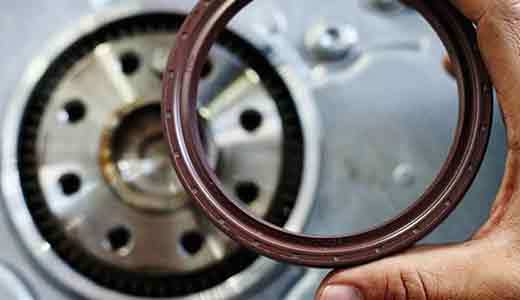
Steering rack oil seals are critical components in automotive steering systems. Their primary function is to prevent hydraulic fluid leaks from the steering rack, ensuring smooth and efficient steering performance. These seals are designed to withstand high pressure and various environmental conditions, making their quality paramount to vehicle safety and performance.
2. The Importance of Quality in Steering Rack Oil Seals
Choosing high-quality steering rack oil seals directly impacts the longevity and functionality of the steering system. Poor quality seals can lead to leaks, which may result in reduced steering control, increased wear on components, and ultimately costly repairs. Ensuring that your supplier provides seals that meet industry standards is crucial for maintaining vehicle safety and performance.
3. Factors to Consider When Choosing a Supplier
When selecting a supplier for steering rack oil seals, several key factors should influence your decision.
3.1. Industry Experience and Reputation
A supplier with extensive industry experience often has a better understanding of the specific needs and challenges related to steering rack oil seals. Researching potential suppliers' reputations through customer reviews and industry feedback can provide valuable insights into their reliability and quality.
3.2. Product Quality and Standards
Confirming that the supplier adheres to industry standards and certifications is essential. Look for suppliers who offer seals that meet specifications such as ISO 9001 or equivalent quality management systems. High-quality materials and manufacturing processes directly correlate with the performance and durability of the seals.
3.3. Customer Service and Support
Reliable customer service is a significant factor in ensuring a smooth purchasing experience. Evaluate how responsive and helpful potential suppliers are during initial inquiries. Strong customer support can assist with troubleshooting, order tracking, and addressing any concerns that may arise.
3.4. Pricing and Payment Terms
While quality should be the primary focus, pricing is also a vital consideration. Request quotes from multiple suppliers to compare prices and payment terms. Be cautious of prices that seem too good to be true, as they may indicate subpar quality.
3.5. Delivery Times and Logistics
Timely delivery is crucial to maintaining your production schedule. Ensure that your chosen supplier can meet your required lead times. Discuss logistics, including shipping methods and costs, to prevent any surprises later in the process.
4. Types of Steering Rack Oil Seals
Steering rack oil seals come in various types, each designed for specific applications and conditions. Common types include:
- **Lip Seals**: These seals use a flexible lip to maintain a tight seal against the steering rack, preventing fluid leakage.
- **O-Ring Seals**: O-rings are circular seals that provide a reliable seal for low-pressure applications.
- **U-Cup Seals**: U-cup seals are ideal for high-pressure applications, offering excellent sealing properties.
Understanding the differences between these seals can help guide your decision when selecting a supplier.
5. Where to Source Steering Rack Oil Seals
Sourcing steering rack oil seals can be done through various channels, both locally and internationally.
5.1. Local Suppliers vs. International Suppliers
Local suppliers often provide quicker access to products and more personalized service. However, international suppliers may offer a wider range of products and potentially lower pricing. Assess your requirements and logistical capabilities to determine which option is best for your needs.
5.2. Online Marketplaces
Online marketplaces such as Alibaba, Amazon, or specialized automotive parts websites can be excellent resources for sourcing steering rack oil seals. However, it's essential to conduct due diligence on the sellers to ensure quality and reliability.
6. Evaluating Potential Suppliers
Once you've identified potential suppliers, it’s time to evaluate them. Consider the following steps:
- **Request Samples**: Ask for product samples to assess quality firsthand.
- **Visit Their Facility**: If possible, visit the supplier's manufacturing facility to see their operations and quality control measures in action.
- **Check References**: Speak with other customers who have previously worked with the supplier to gauge their experiences.
7. Establishing a Long-term Relationship with Your Supplier
Building a long-term relationship with your supplier can lead to improved pricing, priority service, and better product availability. Regular communication and collaboration can foster trust and transparency, benefiting both parties in the long run.
8. Frequently Asked Questions (FAQs)
1. What materials are used in steering rack oil seals?
Steering rack oil seals are typically made from rubber compounds, such as nitrile or fluoroelastomer, which provide excellent resistance to oil and temperature variations.
2. How can I tell if my steering rack oil seals are failing?
Signs of failing oil seals include fluid leaks, difficulty steering, or unusual noises while turning the steering wheel.
3. What is the average lifespan of steering rack oil seals?
The lifespan of steering rack oil seals can vary depending on driving conditions and maintenance but generally ranges from 50,000 to 100,000 miles.
4. Can I replace steering rack oil seals myself?
While it is possible to replace steering rack oil seals as a DIY project, it requires mechanical knowledge and the right tools. Hiring a professional mechanic is recommended for optimal results.
5. What should I do if I experience fluid leaks?
If you notice fluid leaks, inspect the steering rack oil seals for damage or wear. It’s advisable to consult a professional mechanic to assess and remedy the issue promptly.
9. Conclusion
Choosing the right supplier for steering rack oil seals is essential for ensuring the performance and reliability of your vehicle's steering system. By understanding the various types of seals, evaluating potential suppliers based on their experience, product quality, customer service, and pricing, you can make an informed decision. Establishing a long-term relationship with a trustworthy supplier will contribute to the success and efficiency of your operations. Prioritize quality and reliability in your supply chain, and you will ensure the functionality and safety of your steering systems for years to come.
Key words:
Popular Information

Contact Information
E-mail : infokos@bxseals.com
Tel : +86-319-7566977 7519805
Phone : +8615630900022
WhatsApp : +8615630900022
Add : Hua'an Street, Renze Economic Development Zone,Xingtai city,Hebei province China.054000
Follow Us on


More Info

