
Popular Information
Add: Yongkang st.renxian,xingtai city,hebei province china.054000
Tel:+86-319-7566977 7519805
Phone : +8613903298188
Fax:+86-319-7566976
E-mail :richard@bxseals.com
Understanding the Role of Shock Absorber Oil Seals in Vehicle Performance
Release Time:
Dec 22,2025
Understanding the Role of Shock Absorber Oil Seals in Vehicle Performance Table of Contents 1. Introduction to Shock Absorber Oil Seals 2. What is a Shock Absorber Oil Seal? 3. The Importance of Oil Seals in Shock Absorbers 4. Types of Shock Absorber Oil Seals 4.1. Lip Seals 4.2. O-Ring Seals 4.3. Double-Lip Seals 5. H
Understanding the Role of Shock Absorber Oil Seals in Vehicle Performance
Table of Contents
- 1. Introduction to Shock Absorber Oil Seals
- 2. What is a Shock Absorber Oil Seal?
- 3. The Importance of Oil Seals in Shock Absorbers
- 4. Types of Shock Absorber Oil Seals
- 5. How Shock Absorber Oil Seals Affect Vehicle Performance
- 6. Maintenance and Replacement of Shock Absorber Oil Seals
- 7. Common Issues Related to Oil Seals in Shock Absorbers
- 8. FAQs About Shock Absorber Oil Seals
- 9. Conclusion
1. Introduction to Shock Absorber Oil Seals
Shock absorbers play a crucial role in the suspension systems of vehicles, ensuring a comfortable ride by absorbing shocks and vibrations from the road. However, the effectiveness of a shock absorber heavily relies not only on its design and function but also on its internal components, specifically oil seals. **Understanding the role of shock absorber oil seals** is vital for anyone looking to grasp how vehicle performance and safety are maintained.
2. What is a Shock Absorber Oil Seal?
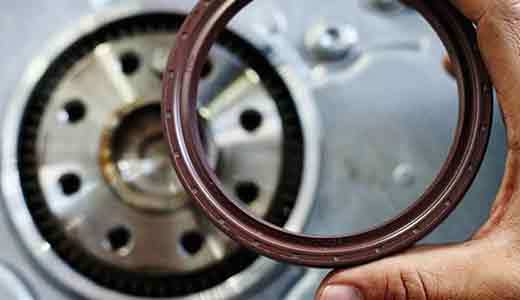
A shock absorber oil seal is a vital component that prevents the leakage of hydraulic fluid within the shock absorber. It acts as a barrier between the compressed gas and oil, maintaining proper pressure and function. **These seals are engineered to withstand extreme conditions**, including high temperatures, varying pressure changes, and the constant movement inherent in suspension systems.
3. The Importance of Oil Seals in Shock Absorbers
Oil seals are crucial for several reasons:
- **Fluid Retention:** They keep hydraulic fluid contained within the shock absorber, which is essential for maintaining smooth operation.
- **Preventing Contamination:** Oil seals help prevent dirt, dust, and debris from entering the shock absorber, which could otherwise lead to wear and tear.
- **Pressure Maintenance:** By sealing the fluid inside, they help maintain the necessary pressure for effective shock absorption, directly impacting ride comfort and vehicle handling.
4. Types of Shock Absorber Oil Seals
Understanding the different types of oil seals used in shock absorbers can help you appreciate their specific roles and applications.
4.1. Lip Seals
Lip seals are the most common type used in shock absorbers. They feature a flexible lip that creates a tight seal against the shock absorber cylinder. This design effectively prevents fluid leakage while accommodating slight movements within the shock absorber.
4.2. O-Ring Seals
O-ring seals are circular seals that fit into a groove to create a seal between two components. They are often used in conjunction with other sealing methods to provide enhanced leak prevention.
4.3. Double-Lip Seals
Double-lip seals provide an additional layer of protection against leakage. They feature two sealing lips, which offer improved resistance to wear and contamination, making them ideal for high-performance shock absorbers.
5. How Shock Absorber Oil Seals Affect Vehicle Performance
The performance of a vehicle is significantly influenced by the condition of its shock absorber oil seals. Here’s how they contribute to overall performance:
- **Ride Comfort:** Properly functioning oil seals prevent fluid leakage, which is essential for maintaining the shock absorber’s ability to absorb and dissipate energy. This leads to a smoother ride, especially over uneven surfaces.
- **Handling and Stability:** Oil seals help maintain consistent pressure within the shock absorber. This consistency is crucial for vehicle handling, allowing for better stability during turns and sudden stops.
- **Safety:** Worn or damaged oil seals can lead to fluid leaks, causing the shock absorber to fail. This failure can severely impact a vehicle's braking and handling capabilities, increasing the risk of accidents.
6. Maintenance and Replacement of Shock Absorber Oil Seals
Regular maintenance of shock absorber oil seals is essential for optimal vehicle performance. Here are some tips for maintaining and replacing these crucial components:
- **Regular Inspections:** Check for signs of fluid leaks, which may indicate a failing oil seal. Visual inspections should be part of routine vehicle maintenance.
- **Replacement Timing:** Oil seals should be replaced as part of a shock absorber replacement or if they show signs of wear. It’s often recommended to replace them every 50,000 to 100,000 miles, depending on driving conditions and vehicle usage.
- **Professional Assistance:** While some vehicle owners may be comfortable replacing oil seals themselves, it’s often best to consult with a professional mechanic to ensure proper installation and functionality.
7. Common Issues Related to Oil Seals in Shock Absorbers
Several issues can arise with shock absorber oil seals that impact vehicle performance:
- **Leaking Seals:** This is the most common issue. A leak can lead to significant fluid loss, compromising the shock absorber’s performance.
- **Contamination:** Dirt and debris can enter through worn or damaged seals, leading to internal damage to the shock absorber.
- **Cracking and Hardening:** Over time, exposure to heat and pressure can cause seals to harden or crack, ultimately leading to failure.
8. FAQs About Shock Absorber Oil Seals
1. How do I know if my shock absorber oil seals need replacing?
Signs include visible fluid leaks, a bumpy ride, or decreased handling performance.
2. Can I drive with damaged oil seals?
While it’s possible, it is not advisable. Driving with damaged seals can lead to further suspension damage and compromised safety.
3. Are all shock absorber oil seals the same?
No, there are various types of oil seals, each designed for specific applications. Choosing the right type is crucial for optimal performance.
4. How often should I check my shock absorber oil seals?
Regular inspections are recommended, especially before long trips or after driving on rough terrain.
5. What can I do to extend the life of my shock absorber oil seals?
Regular maintenance, including timely replacements and avoiding rough driving conditions, can help extend their lifespan.
9. Conclusion
Understanding the role of shock absorber oil seals is essential for anyone interested in optimizing vehicle performance and safety. These small yet significant components serve critical functions, from preventing fluid leaks to maintaining pressure and protecting against contaminants. Regular maintenance and timely replacements can enhance ride comfort, handling, and overall vehicle dynamics. Stay informed about your vehicle's suspension system, and ensure that your shock absorber oil seals are in top condition for a safe and enjoyable driving experience.
Key words:
Popular Information

Contact Information
E-mail : infokos@bxseals.com
Tel : +86-319-7566977 7519805
Phone : +8615630900022
WhatsApp : +8615630900022
Add : Hua'an Street, Renze Economic Development Zone,Xingtai city,Hebei province China.054000
Follow Us on


More Info

