
Popular Information
Add: Yongkang st.renxian,xingtai city,hebei province china.054000
Tel:+86-319-7566977 7519805
Phone : +8613903298188
Fax:+86-319-7566976
E-mail :richard@bxseals.com
Understanding How Weather Conditions Impact Steering Rack Oil Seals
Release Time:
Jan 16,2026
Understanding How Weather Conditions Impact Steering Rack Oil Seals Introduction: The Role of Steering Rack Oil Seals in Vehicle Performance Steering rack oil seals are critical components of a vehicle’s steering system, ensuring smooth and efficient steering by preventing fluid leakage. These seals are designed to withstand various operating conditions, but **weather conditions can significantly
Understanding How Weather Conditions Impact Steering Rack Oil Seals
Introduction: The Role of Steering Rack Oil Seals in Vehicle Performance
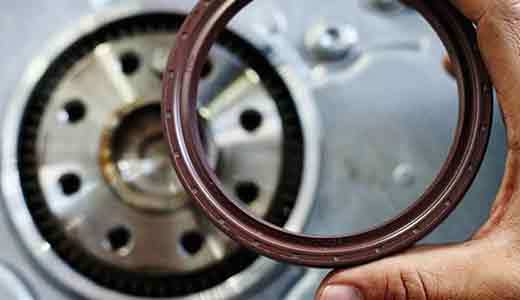
Steering rack oil seals are critical components of a vehicle’s steering system, ensuring smooth and efficient steering by preventing fluid leakage. These seals are designed to withstand various operating conditions, but **weather conditions can significantly impact their functionality and longevity**. In this article, we will delve into how different environmental factors affect steering rack oil seals and explore essential maintenance tips to enhance their durability.
Table of Contents
1. The Importance of Steering Rack Oil Seals
2. How Temperature Affects Steering Rack Oil Seals
3. The Role of Humidity in Oil Seal Performance
4. Impacts of Rain and Moisture on Seals
5. The Effects of Extreme Weather Conditions
6. Maintenance Tips for Steering Rack Oil Seals
7. Choosing Quality Seals for Longevity
8. Frequently Asked Questions
9. Conclusion: Ensuring Optimal Performance of Steering Rack Oil Seals
1. The Importance of Steering Rack Oil Seals
Steering rack oil seals serve as barriers against contaminants and help maintain hydraulic pressure within the steering system. Their primary function is to **prevent steering fluid leaks**, which are crucial for proper steering responsiveness and control. A malfunctioning oil seal can lead to steering fluid loss, causing increased wear on the steering components, reduced steering efficiency, and potentially hazardous driving conditions.
2. How Temperature Affects Steering Rack Oil Seals
**Temperature fluctuations** can have a profound effect on the materials used in steering rack oil seals. Typically made from rubber or synthetic compounds, these materials can expand and contract based on temperature changes.
2.1 High Temperatures
When exposed to high temperatures, seals can become **soft and lose their structural integrity**. This deterioration makes them more susceptible to wear and tear. Additionally, high heat can lead to **oil breakdown**, reducing the viscosity and lubrication properties needed for effective steering operation.
2.2 Low Temperatures
Conversely, low temperatures can cause seals to become **stiff and brittle**. In such conditions, the seals may crack or fail to create a proper seal, resulting in potential leaks. Ensuring the right oil seal material is used for specific temperature ranges is vital for maintaining optimal performance.
3. The Role of Humidity in Oil Seal Performance
Humidity levels can also affect the performance of steering rack oil seals. High humidity can introduce **moisture into the steering system**, which can lead to corrosion of metal components and compromise the integrity of rubber seals.
3.1 Moisture and Seal Integrity
In humid environments, seals may absorb moisture over time, causing them to swell and lose their effectiveness. This compromised integrity can lead to fluid leaks and ultimately impact steering performance.
3.2 Preventative Measures
Using moisture-resistant materials and ensuring proper drainage in the steering system can help mitigate the impacts of humidity on steering rack oil seals.
4. Impacts of Rain and Moisture on Seals
Rain and excessive moisture can have detrimental effects on steering rack oil seals. **Water ingress** can lead to fluid contamination, reducing the lubrication properties of the steering oil.
4.1 Corrosion Risks
Prolonged exposure to water can cause **corrosion of internal components**, leading to premature failure of the steering system and increased maintenance costs.
4.2 Importance of Sealing
It's critical for oil seals to maintain their integrity and prevent water from entering the steering system. Regular inspections and maintenance can help identify any potential issues before they escalate.
5. The Effects of Extreme Weather Conditions
Extreme weather conditions—including heavy snowfall, ice, or prolonged heat waves—can exacerbate the wear and tear on steering rack oil seals.
5.1 Snow and Ice
In snowy or icy conditions, road salt can lead to the **deterioration of rubber seals**, making them more vulnerable to cracking and failure. Additionally, ice formation can obstruct the smooth operation of the steering system, putting additional stress on the oil seals.
5.2 Heat Waves
During heat waves, prolonged exposure to high temperatures can accelerate oil breakdown and seal wear, emphasizing the need for regular checks to ensure seals are in optimal condition.
6. Maintenance Tips for Steering Rack Oil Seals
To extend the lifespan of steering rack oil seals, regular maintenance is essential. Here are some tips to consider:
6.1 Regular Inspections
Routine inspections can help detect leaks or signs of wear early. Look for any pooling of steering fluid under the vehicle or around the steering rack area.
6.2 Fluid Replacement
Regularly replacing steering fluid according to the vehicle manufacturer's recommendations can ensure optimal performance and reduce wear on seals.
6.3 Protect from Environmental Factors
When possible, park vehicles in garages or covered areas to protect them from extreme weather conditions, which can help prolong the life of the seals.
7. Choosing Quality Seals for Longevity
Investing in high-quality steering rack oil seals is essential for ensuring durability and reliability.
7.1 Material Selection
Look for seals made from robust materials that can withstand various weather conditions. **Synthetic rubber** is often preferred for its durability and resistance to temperature fluctuations.
7.2 Manufacturer Reputation
Choosing seals from reputable manufacturers with a track record of quality can make a significant difference in the longevity and performance of steering rack oil seals.
8. Frequently Asked Questions
8.1 What are the symptoms of a failing steering rack oil seal?
Common symptoms include **steering fluid leaks**, reduced steering responsiveness, and unusual noises from the steering system.
8.2 How often should I inspect my steering rack oil seals?
It is advisable to inspect your steering rack oil seals at least once a year or during routine vehicle maintenance.
8.3 Can I replace steering rack oil seals myself?
While it is possible to replace steering rack oil seals as a DIY project, it is recommended to consult with a professional mechanic for proper installation.
8.4 What materials are steering rack oil seals made of?
Steering rack oil seals are typically made from **rubber or synthetic materials** that provide flexibility and durability against environmental factors.
8.5 How can extreme weather conditions affect steering performance?
Extreme weather can cause seal deterioration, fluid breakdown, and increased likelihood of leaks, all of which can compromise steering performance.
9. Conclusion: Ensuring Optimal Performance of Steering Rack Oil Seals
In conclusion, understanding the impact of weather conditions on steering rack oil seals is crucial for maintaining vehicle performance and safety. By recognizing how temperature, humidity, and moisture influence seal integrity, vehicle owners can take proactive measures to ensure the longevity of these essential components. Regular maintenance, quality seal selection, and environmental protection are vital strategies for optimizing the performance of steering rack oil seals, ultimately leading to a safer and more reliable driving experience.
Key words:
Popular Information

Contact Information
E-mail : infokos@bxseals.com
Tel : +86-319-7566977 7519805
Phone : +8615630900022
WhatsApp : +8615630900022
Add : Hua'an Street, Renze Economic Development Zone,Xingtai city,Hebei province China.054000
Follow Us on


More Info

