
Popular Information
Add: Yongkang st.renxian,xingtai city,hebei province china.054000
Tel:+86-319-7566977 7519805
Phone : +8613903298188
Fax:+86-319-7566976
E-mail :richard@bxseals.com
Little knowledge about automobile oil seals
Release Time:
Sep 14,2023
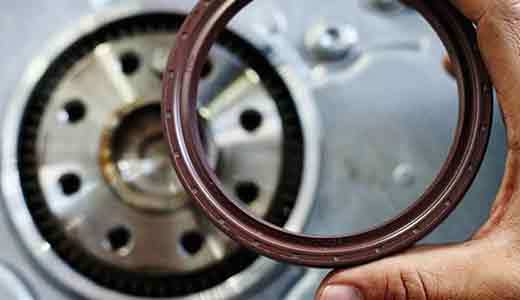
Oil seals, also known as shaft seals, are radial lip seals primarily used to retain lubricant in equipment with rotating, reciprocating or oscillating shafts. Rotary axis applications are more common. Oil seals usually consist of three basic components: sealing element, metal shell and spring.
Oil seals, also known as shaft seals, are radial lip seals primarily used to retain lubricant in equipment with rotating, reciprocating or oscillating shafts. Rotary axis applications are more common. Oil seals usually consist of three basic components: sealing element, metal shell and spring.
Oil seals are designed to prevent dirt, dust, water or any other foreign matter from contaminating shafts and bearings in rotating shaft equipment. They also prevent lubricants such as grease and oil from leaking along rotating shafts.
The more common types of oil seals are rubber shells and metal shells. Metal shell oil seals are usually installed in a shell hole made of the same material. This allows the material to expand and contract equally during operation, preventing leaks. Rubber housing oil seals are used in situations where metal housing seals may fail (e.g. due to thermal expansion). Unlike metal housing types, these seals will not rust.
Dust and debris are common causes of oil seal failure. The ingress of dust and debris is one of the more common causes of oil seal failure. For example, in high-pressure applications, even small deposits can create gaps in the seal, causing oil leakage and dirt ingress. An effective way to ensure that particles do not contaminate the oil seal is to store them within the seal. Keep containers or sealed bags away from areas with high amounts of dust and debris.
Oil seals play an important role in preventing leakage and contamination in automobile engines. Understanding its basic components, types, and common causes of failure can help you maintain your car's performance and prevent leaks.
Key words:
Popular Information

Contact Information
E-mail : infokos@bxseals.com
Tel : +86-319-7566977 7519805
Phone : +8615630900022
WhatsApp : +8615630900022
Add : Hua'an Street, Renze Economic Development Zone,Xingtai city,Hebei province China.054000
Follow Us on


More Info

